Claim Your Free Estimate
Exploring Avon: Beauty, History, and Iconic Products
Avon Painting Solutions for Every Space and Season
Transform Your Home with Professional Craftsmanship
Quality finishes that last for years
A Charming Minnesota Community with Deep Roots
Located in Stearns County, this small Minnesota community has quietly grown into a destination known for its welcoming atmosphere, rural character, and strong sense of place. With a population hovering around 1,500 residents, the area offers the rare combination of small-town charm and proximity to larger regional hubs like St. Cloud. The community’s roots trace back to the mid-1800s, when European settlers established farms and built the foundations of what would become a thriving agricultural center.
Over the decades, the landscape has evolved from purely agrarian to a blend of residential neighborhoods, small businesses, and family-owned properties that reflect both historical pride and modern sensibilities. Many homes in the area date back several generations, with original farmhouses and century-old structures standing alongside newer construction. This mix creates a unique architectural tapestry that requires thoughtful maintenance and preservation. Homeowners here understand the value of quality craftsmanship, particularly when it comes to protecting wood siding, trim, and outdoor structures from the elements.
The community’s identity is also shaped by its commitment to local institutions, including schools, churches, and civic organizations that anchor neighborhood life. Residents take pride in maintaining their properties, not just for personal satisfaction but as a reflection of shared community values. Whether it’s a freshly painted porch on a Victorian-era home or a newly stained deck on a contemporary ranch, attention to detail matters in a place where neighbors know one another and curb appeal contributes to collective well-being.
Architectural Character and Visual Appeal
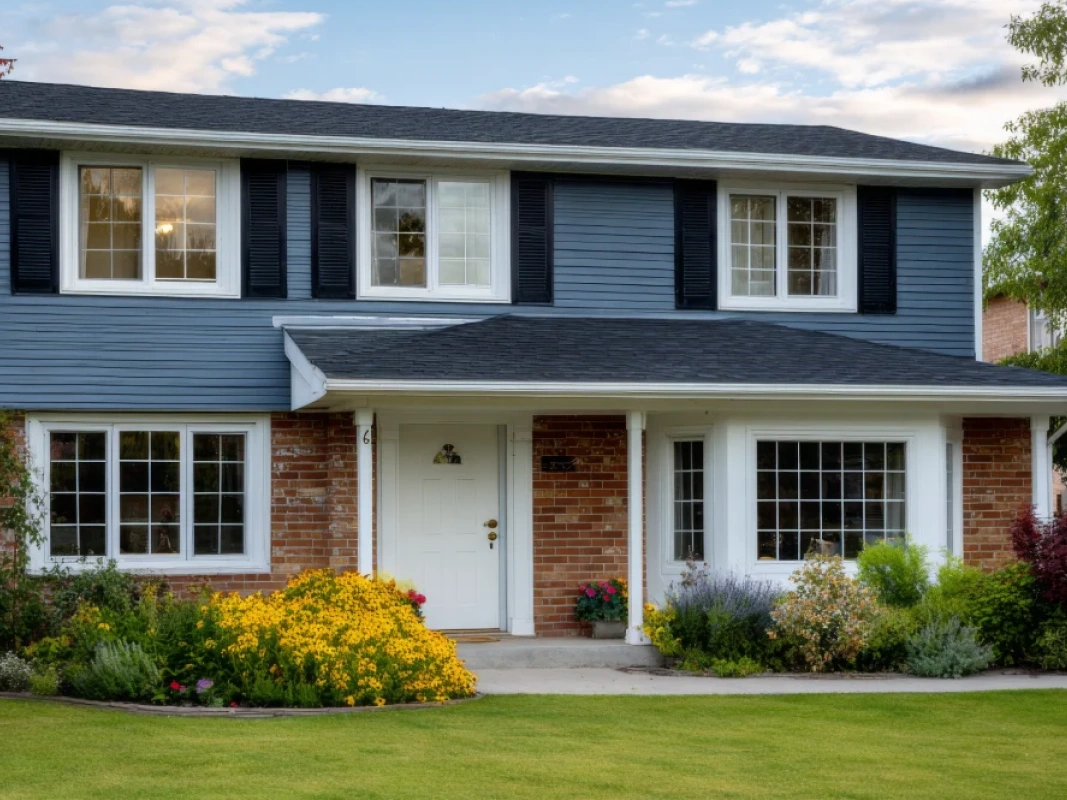
The visual character of this central Minnesota community is defined by a blend of traditional farmhouse architecture, mid-century ranch homes, and newer builds that respect the region’s aesthetic heritage. Many properties feature classic elements like board-and-batten siding, wraparound porches, gabled rooflines, and decorative trim that harken back to late 19th and early 20th-century design. These architectural details are not merely decorative; they serve functional purposes in shedding water, providing shade, and enhancing structural durability.
Color choices in the area tend toward earthy, natural palettes that complement the surrounding landscape of open fields, mature trees, and rolling terrain. Whites, creams, soft grays, and muted greens are common exterior colors, offering timeless appeal while minimizing heat absorption during summer months. Accent colors on shutters, doors, and trim add personality without overwhelming the overall composition. For homeowners considering updates, choosing the right finish can dramatically enhance curb appeal and protect surfaces from moisture infiltration, UV damage, and temperature fluctuations.
Outdoor living spaces also play a significant role in the local aesthetic. Decks, fences, and pergolas are common features, particularly on properties with larger lots or rural settings. These structures face unique challenges in Minnesota’s climate, where freeze-thaw cycles, moisture, and intense summer sun can cause untreated wood to crack, warp, and fade. Regular staining and sealing extend the lifespan of these investments, preserving both function and appearance. A well-maintained deck or fence signals pride of ownership and contributes to the overall visual harmony of the neighborhood.
How Climate and Seasons Shape Property Maintenance
Central Minnesota’s climate presents distinct challenges for property owners, particularly when it comes to exterior finishes and protective coatings. Winters bring heavy snow, sub-zero temperatures, and ice accumulation that can stress paint films and sealants. Spring introduces rapid temperature swings and moisture from snowmelt, creating ideal conditions for mildew growth and paint adhesion failures. Summers deliver intense UV exposure and occasional severe storms with high winds and hail, while autumn’s cooler, drier air provides the best window for outdoor painting and staining projects.
One of the most common issues homeowners face is the freeze-thaw cycle, which causes water to seep into small cracks in wood or masonry, expand when frozen, and widen those gaps over time. This process accelerates deterioration if surfaces are not properly sealed. High-quality exterior coatings act as a barrier, preventing moisture infiltration and reducing the risk of rot, warping, and structural damage. Properties with south and west-facing exposures are particularly vulnerable to UV degradation, where paint can fade, chalk, and peel within a few years if inferior products are used.
Local homeowners have learned to plan maintenance around the seasonal calendar. Late spring and early fall are prime times for exterior painting, when temperatures are moderate and humidity levels are manageable. Interior projects, by contrast, can proceed year-round, though winter months are popular for updates since families spend more time indoors and outdoor distractions are minimal. Understanding these patterns allows property owners to schedule work strategically, maximizing longevity and minimizing disruption. Proper surface preparation, including cleaning, scraping, and priming, is essential in this climate to ensure coatings adhere correctly and perform as intended.
Local Culture and Community Pride
The sense of community here is palpable, shaped by generations of families who have built lives around shared institutions and traditions. Local schools, churches, and civic groups serve as gathering points, fostering connections that extend beyond individual households. Seasonal events, from summer picnics to winter festivals, bring residents together and reinforce the area’s identity as a place where people look out for one another. This collective spirit is reflected in how properties are maintained, with many homeowners viewing upkeep as a responsibility to neighbors and the broader community.
Small businesses also play a vital role in the local economy and culture. Family-owned shops, service providers, and agricultural enterprises contribute to a self-reliant ethos that values quality workmanship and personal accountability. When residents need services, they tend to seek out providers who understand the region’s unique characteristics and can deliver results that stand the test of time. Trust is earned through consistent performance, transparent communication, and a commitment to doing things right the first time.
For property owners, this cultural context influences decisions about home improvement and maintenance. Rather than chasing short-term fixes or trendy aesthetics, many prioritize durable solutions that align with the area’s architectural heritage and environmental realities. A well-executed paint job or deck restoration is seen not just as a cosmetic upgrade but as an investment in the property’s long-term value and the neighborhood’s overall appeal. This mindset creates opportunities for skilled tradespeople who share those values and can deliver outcomes that respect both tradition and practicality.
Protecting Your Investment with Quality Finishes
Whether you own a historic farmhouse, a mid-century ranch, or a newer construction property, maintaining exterior and interior finishes is essential to preserving value and preventing costly repairs. Paint and stain are not merely decorative; they serve as the first line of defense against moisture, insects, UV radiation, and temperature extremes. In Minnesota’s demanding climate, the quality of materials and application technique directly impacts how long those protections last.
Exterior surfaces face the harshest conditions. Wood siding, trim, and decks are particularly vulnerable to moisture-related issues, including rot, mold, and insect damage. A professional exterior painting or staining project begins with thorough surface preparation, addressing any underlying damage before new coatings are applied. This might include replacing rotted boards, sanding rough areas, and applying primer to bare wood. Skipping these steps often leads to premature failure, where paint peels or blisters within a year or two. High-quality acrylic latex paints and penetrating oil-based stains offer superior adhesion, flexibility, and weather resistance compared to budget alternatives.
Interior projects, while less affected by weather, still require careful planning and execution. Walls, ceilings, and trim benefit from proper surface preparation, including patching holes, sanding imperfections, and priming stained or damaged areas. Color selection should consider natural light, room size, and intended use, with lighter tones expanding visual space and darker hues adding warmth and intimacy. For homeowners seeking a fresh look or preparing to sell, a well-executed interior refresh can yield significant returns.
Professional painters bring more than brushes and rollers to a project. They understand local conditions, recommend appropriate products for specific applications, and deliver finishes that enhance both aesthetics and durability. For property owners in this region, investing in quality craftsmanship means fewer touch-ups, longer intervals between repaints, and the confidence that your home is protected against the elements. If you are considering updates to your property’s exterior or interior, working with skilled professionals ensures results that align with your goals and respect the character of this unique community.